Descubre las diferencias clave entre un curso de inglés online vs presencial. Conoce sus ventajas, desventajas y cuál se adapta mejor a tu estilo de aprendizaje.
Descubre las diferencias clave entre un curso de inglés online vs presencial. Conoce sus ventajas, desventajas y cuál se adapta mejor a tu estilo de aprendizaje.
I’m Christian, part of EdVanna. Like you, I have experienced the challenges and rewards of learning Spanish. For me, Spanish is more than a language: it’s a key tool that opens doors to personal and professional growth. I have seen how learning it can transform opportunities and bring us closer to our dreams, and I want to motivate you to take that step.
Autor: Christian Diaz
I’m Christian, part of EdVanna. Like you, I have experienced the challenges and rewards of learning Spanish. For me, Spanish is more than a language: it’s a key tool that opens doors to personal and professional growth. I have seen how learning it can transform opportunities and bring us closer to our dreams, and I want to motivate you to take that step.
Spanish is one of the most widely spoken languages in the world and a key skill in both academic and professional settings. Mastering it can lead to better job opportunities, enable smoother global communication, and give you access to high-quality educational content.
Thanks to technology, learning methods have evolved. Today, you can choose between online Spanish courses and traditional in-person classes. Each offers distinct advantages—from the flexibility and convenience of digital learning to the structured, interactive nature of classroom-based lessons. For those looking to improve their fluency, conversational Spanish classes are a powerful way to build speaking confidence in a practical and engaging environment.
But which option is better for you? Is it more effective to learn with teachers in a classroom or from the comfort of your home using digital tools?
In this article, we’ll break down the pros and cons of both formats so you can make an informed decision and choose the learning style that fits your goals and routine.
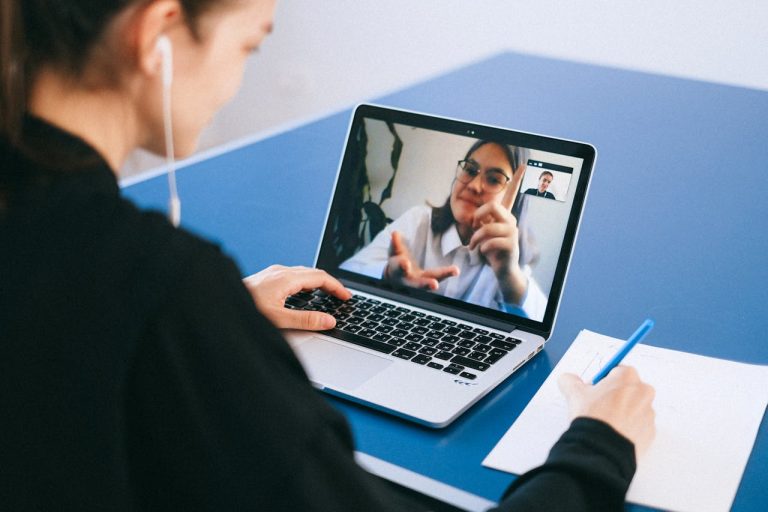
Online Spanish courses have transformed how people learn, offering students the freedom to study at their own pace without attending a physical school. These programs are hosted on digital platforms and may include live or recorded lessons, interactive exercises, multimedia resources, and one-on-one tutoring.
They’re ideal for learners who want autonomy and flexibility, since you can access lessons from anywhere and tailor your study schedule to fit your lifestyle. Additionally, many platforms provide mobile access, allowing you to study on the go.
This convenience makes language learning more accessible than ever, especially for busy professionals, frequent travelers, or anyone balancing multiple commitments.
Benefits of Learning Spanish Online
1. Flexible Schedules and Easy Access
One of the biggest perks of learning Spanish online is flexibility. There’s no need to stick to a fixed schedule—you can attend classes whenever it suits you. This makes it ideal for busy individuals who need to balance learning with work, school, or other commitments.
2. Lower Costs Compared to In-Person Courses
Online courses are often more affordable because they eliminate expenses like classroom rentals, printed materials, and commuting. Many platforms offer budget-friendly plans or even free courses.
Digital platforms use learning algorithms to adjust content based on your level. This allows for a more tailored experience, with interactive exercises, games, and simulations that boost retention.
4. Unlimited Learning Resources
Online Spanish programs offer a wide range of materials—videos, podcasts, readings, and quizzes—that enrich your learning and help you strengthen specific skills.
Drawbacks of Online Spanish Courses
1. Limited Social Interaction
A common downside is the lack of direct contact with instructors and peers. While live sessions are available, they don’t quite match the flow of face-to-face communication.
2. Requires Self-Discipline and Organization
Online learning demands motivation and time management. Without a fixed schedule, some students may procrastinate or lose focus.
3. Tech Dependence
A strong internet connection and proper devices are essential. Technical issues can interrupt lessons and slow down your progress.
In-person Spanish courses follow a traditional classroom format, where students attend lessons at a physical location. This setup provides real-time interaction with teachers and classmates, group activities, writing tasks, and in-person exams.
It’s ideal for learners who thrive in structured environments and prefer conventional methods. That said, digital education continues to gain popularity, offering the option to learn Spanish at your own pace through interactive platforms.
Benefits of In-Person Spanish Courses
1. Real-Time Interaction
Face-to-face classes make it easier to practice speaking through real conversations, helping learners improve pronunciation and fluency.
2. Structured Learning Environment
In-person programs follow a fixed schedule and routine, which supports consistent study habits.
3. Group Motivation and Community
Being surrounded by fellow learners can be motivating. Collaboration and friendly competition can accelerate progress.
4. Immediate Feedback
Teachers can correct pronunciation, grammar, and writing in real time. This direct feedback helps you learn faster and stay on track. Plus, instructors can give personalized guidance to help you improve in specific areas. For those who prefer a flexible alternative, conversational Spanish classes with native speakers provide immersive practice that boosts fluency and comprehension.
Unlike online classes, in-person courses require you to follow a set timetable, which can be difficult for people with busy schedules.
2. Higher Costs
Traditional classes tend to be more expensive due to administrative fees, printed materials, and teacher salaries.
3. Time and Travel
Attending a language school involves commuting, which takes extra time and may be a barrier for those with limited availability or long distances to travel.
Online vs In-Person Spanish Courses: Which Should You Choose?
Both online and in-person Spanish courses have unique strengths. The best choice depends on your learning preferences, schedule, and personal goals.
If you want to study without time constraints and explore unlimited learning resources, online courses are likely the best fit. If you enjoy face-to-face interaction and benefit from a guided approach, in-person classes might suit you better.
At Edvanna, you’ll find online Spanish courses designed to match your learning pace and goals. Choose the format that works for you and start your journey to Spanish fluency today!