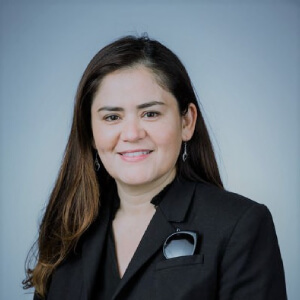
I’m Sandra Ledesma, founder of EdVanna. Like you, I’ve faced the challenges of learning a new language. I started learning English as an adult, and while it was difficult to make progress at first, over time, I developed a system that worked for me. I understand what learning a language can mean for your future, and I’m here to tell you that with the right approach, you can do it. Yes, it’s possible!
Author: Sandra Ledesma
I’m Sandra Ledesma, founder of EdVanna. Like you, I’ve faced the challenges of learning a new language. I started learning English as an adult, and while it was difficult to make progress at first, over time, I developed a system that worked for me. I understand what learning a language can mean for your future, and I’m here to tell you that with the right approach, you can do it. Yes, it’s possible!
Master Spanish Vocabulary with Long-Form Content: 5 Actionable Tips for Self-Learners
Building your Spanish vocabulary can feel like climbing a mountain. But what if the journey could be smoother—and even enjoyable? Studies show that consistent exposure to language in context, rather than relying solely on isolated word drills, significantly boosts retention. By pairing long-form content like books with the right tools, you can transform your Spanish learning process. Here are five actionable tips to help you build your Spanish vocabulary faster and more effectively.
Jumping between multiple resources scatters your attention, which can slow progress. Instead, commit to one long-form content source, such as a Spanish novel or nonfiction book, and dive deep into it. This strategy works because it exposes you to the same words repeatedly, helping reinforce vocabulary naturally.
When I was learning English, I focused on Invisible Man by Ralph Ellison. Progress was slow at first, but with each page, I recognized words I’d seen earlier. That repetition was key. You can do the same with a Spanish book—find something that interests you, and the learning will come organically. Stick to it, and you’ll experience vocabulary in context, rather than just memorizing definitions. This approach can help if you’re using learning Spanish online resources that offer long-form content for more immersive experiences.
2. Customize Your Flashcards Based on Your Interests
Flashcards are powerful, but generic lists of words may feel irrelevant or difficult to retain. Instead, customize them to align with your interests. If you love cooking, use a Spanish recipe book to build your flashcards. Into tech? Pull terms from Spanish blogs or manuals about the latest gadgets. When the vocabulary matches your passions, it’s easier to stay engaged. Apps like Anki, Quizlet, and Brainscape allow you to create personalized flashcards. Spaced repetition (covered in the next section) makes them even more effective.
Goals give your learning direction. Without them, it’s hard to measure progress. Set specific goals for the number of words you want to master—whether that’s 500 in a month or 5,000 by the year’s end. Flashcard apps often come with tracking features, showing how many words you’ve learned and what’s left to review. Progress motivates, and seeing how far you’ve come gives you the drive to keep going.
5. Integrate Learning Tools for a Seamless Experience
You don’t have to stick to one tool. Flashcard apps often integrate with other platforms to enhance your learning experience. For example, Anki syncs with Google Sheets, allowing you to easily import custom lists, and Quizlet integrates with Google Classroom—great if you’re learning Spanish with others. By integrating these tools, you can streamline your study process, ensuring consistency across platforms and access to vocabulary wherever you go.
Make Flashcards Work for You
Flashcards, when used correctly, can supercharge your vocabulary learning. The key is in personalizing your cards, leveraging spaced repetition, and setting clear goals. But don’t forget—consistency is everything. Without it, progress stalls.
Start today by picking a Spanish book that excites you, creating personalized flashcards, and tracking your progress. With dedication and the right tools, fluency is within reach.
Ready to take control of your Spanish learning? Start by choosing a book, downloading a flashcard app, and implementing spaced repetition today. Set a small, manageable goal—maybe 10 words a day. In no time, you’ll see the difference.
Mastering a language may seem challenging, but with the right strategies—such as using long-form content, personalized flashcards, and spaced repetition—you can make faster and more effective progress. Consistency and engaging tools are key to making your language learning journey smoother and more enjoyable.
I’m Sandra Ledesma, and I understand the frustration of feeling stuck while learning a new language. I’ve been through it myself, and now I invite you to stop wasting time on ineffective methods. Join our platform and discover how practicing with native speakers can transform your language learning experience. Sign up today atEdVanna and begin your journey toward Spanish fluency!
If you have any questions or need assistance, feel free to reach out through our contact page:Contact Us. We’re here to help you succeed!
References
Ebbinghaus, Hermann. Memory: A Contribution to Experimental Psychology. Translated by Henry A. Ruger and Clara E. Bussenius, Teachers College, Columbia University, 1913.
Cepeda, Nicholas J., et al. “Distributed Practice in Verbal Recall Tasks: A Review and Quantitative Synthesis.” Psychological Bulletin, vol. 132, no. 3, 2006, pp. 354-380. doi:10.1037/0033-2909.132.3.354.